

Menu
The risk of being bitten by a tick is linked to the type of outdoor activities performed and the amount of time spent outside.
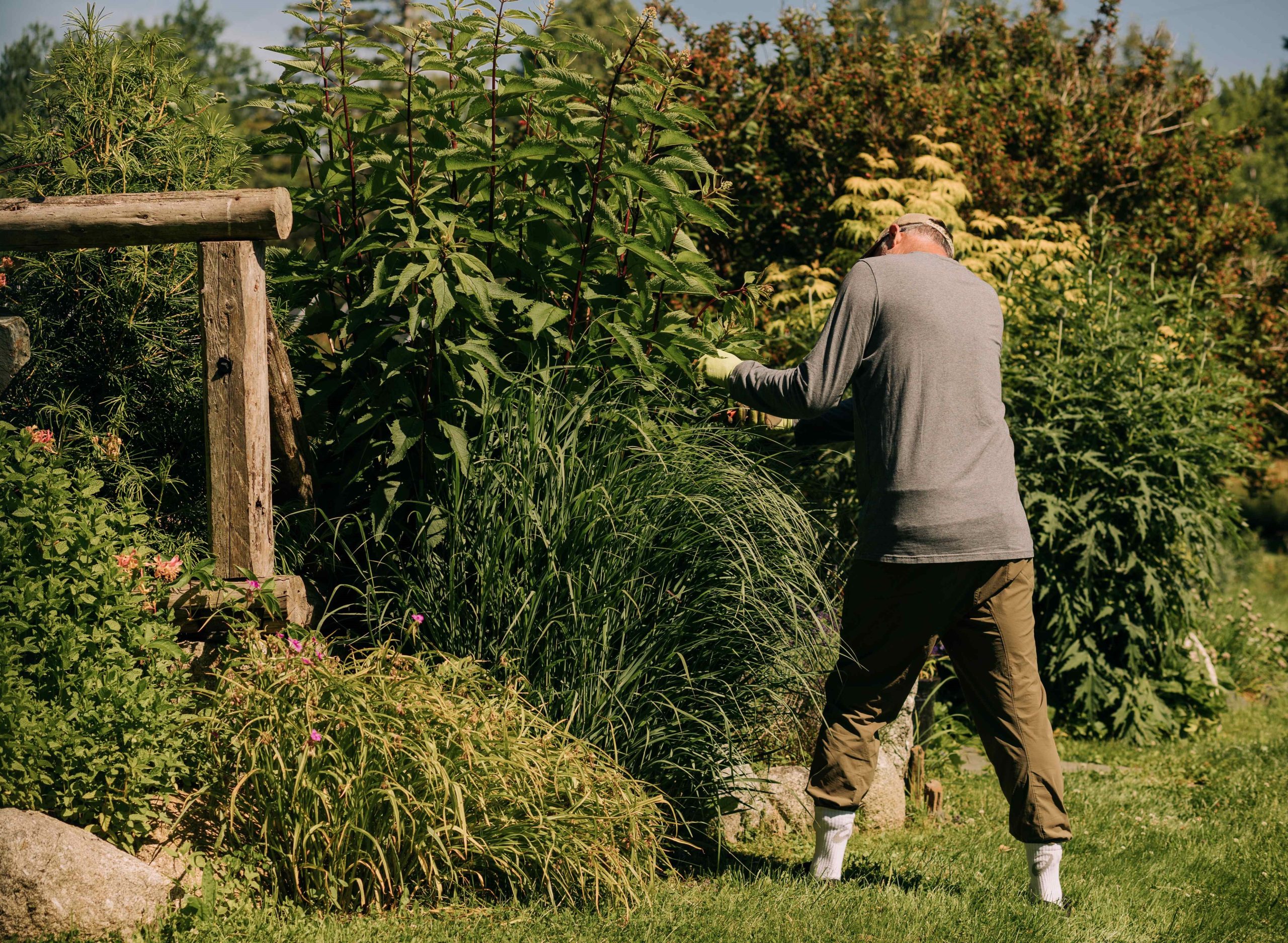
Did you know that ticks can be found on residential properties, even in cities and suburbs?
The risk of tick bites is related to the types of outdoor activities undertaken and the amount of time spent outdoors in tick habitats such as wooded areas, parks, long grass and brush1.
Some examples of activities which may occur in or near tick habitats include hiking, camping, hunting2, gardening and work.
If you are an outdoor enthusiast or outdoor worker, you do not need to stop doing these activities, but rather learn how to adopt preventive measures so you can enjoy them safely.
Lyme disease is more frequent in children aged 5-15 years and adults aged 55-79 years.
Children are more likely to encounter ticks depending on how they play outdoors and are less capable of finding and removing them.
Adults living alone may also have difficulties finding and removing ticks by themselves.
Pets are also at risk for tick bites and may bring ticks into the home. For more information about ticks and pets, check ‘How can I protect my pets?’.

Test your knowledge about ticks and the diseases they can transmit.
Test your knowledge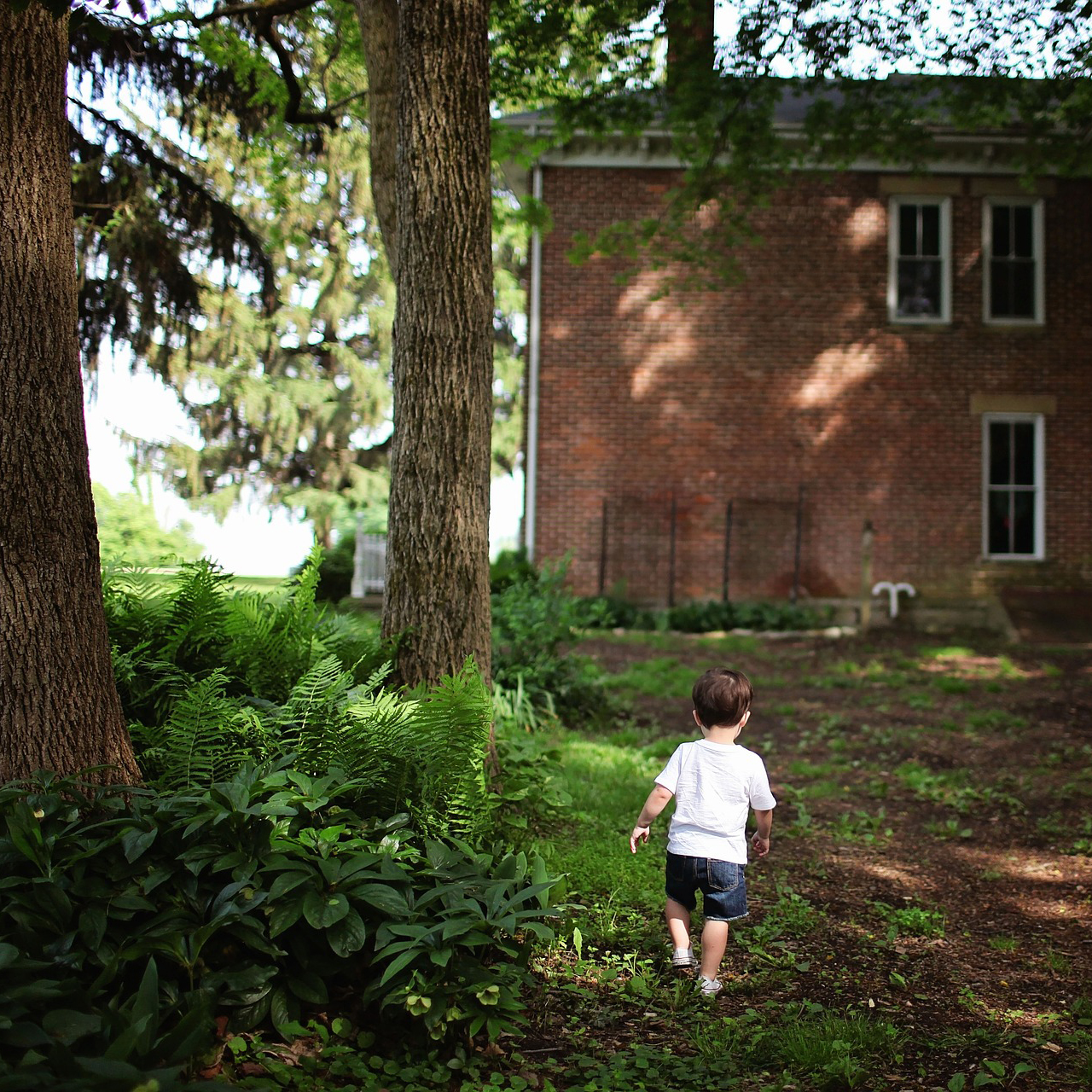
If you want to better understand your own risk profile, you can complete this quiz and receive personalized advice on how to protect yourself and your family.
Quiz available soon. [1] Les tiques préfèrent les habitats humides. Elles ne survivent pas dans les habitats chauds et secs.
[2] Le fait de chasser peut signifier que les individus passent plus de temps dans les habitats des tiques. En outre, les cerfs sont des hôtes importants de la tique à pattes noires, et le fait de visiter des zones où les cerfs sont abondants peut augmenter l'exposition aux tiques. Bien que les cerfs jouent un rôle important dans le cycle de vie des tiques, ils ne sont pas infectés par la maladie de Lyme. Par conséquent, on ne peut pas être infecté par la maladie de Lyme en mangeant de la viande de cerf.