I found a tick

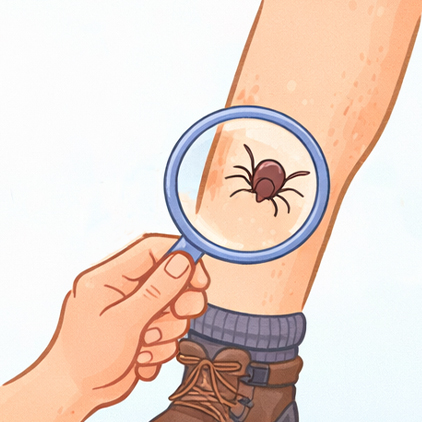
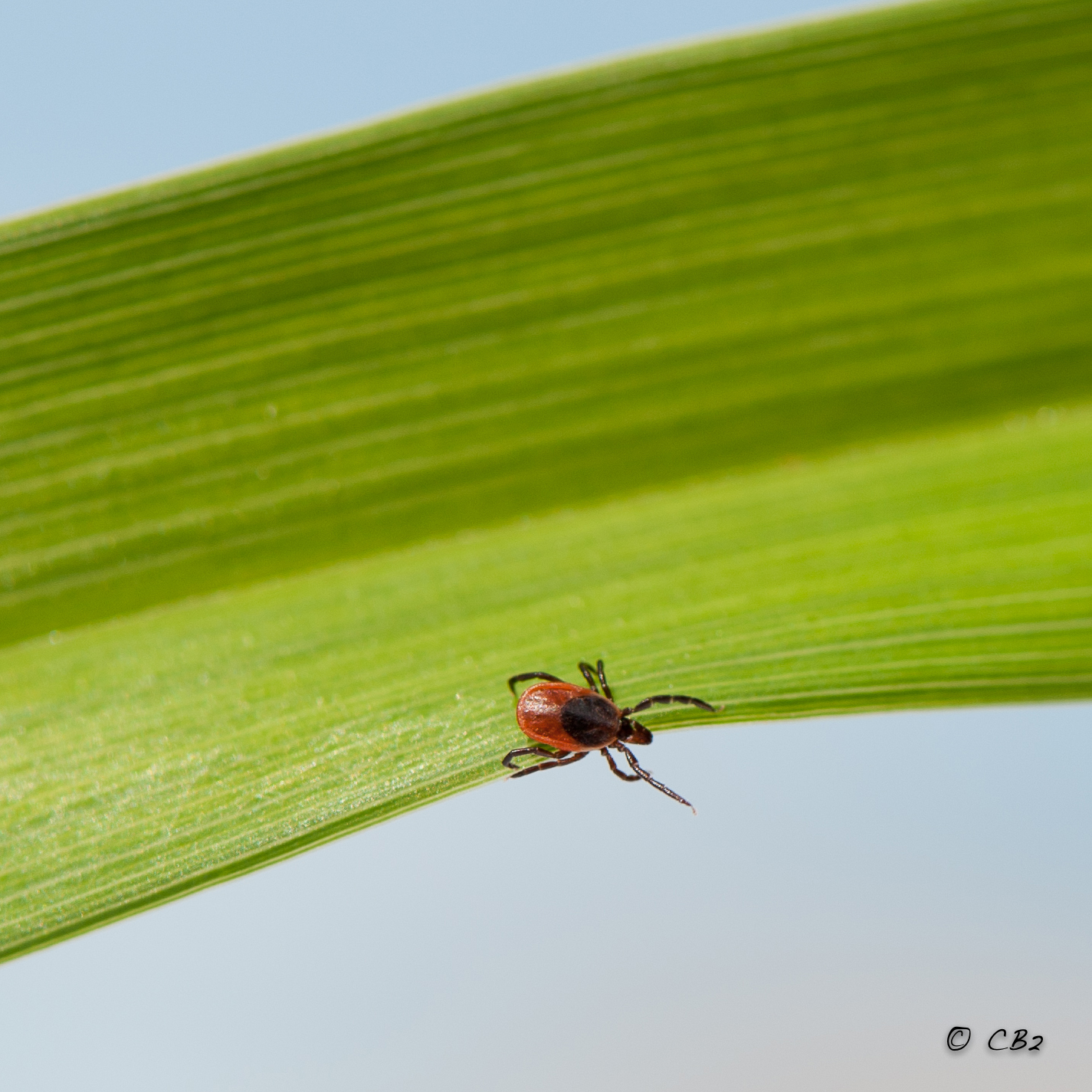
What should I do if I find a tick? First of all, don’t panic ! The fact that you were able to find and recognise a tick is great. 
5

What you need to know

If the tick is moving freely

If the tick is moving freely, it can easily be brushed off into a sealable container or bag.

Not all ticks transmit disease

The proportion of ticks infected with pathogens varies by region.

The risk increases with the length of attachment

The risk of transmission is low if removed before 24 hours

DO NOT attempt to burn or suffocate the tick

DO NOT try to burn or smother the tick using products such as nail polish, nail polish remover, essential oils, or petroleum jelly.
How to safely remove a tick

If the tick has attached itself to your skin, you will need to take steps to remove it as soon as possible.

1. Preparing the equipment

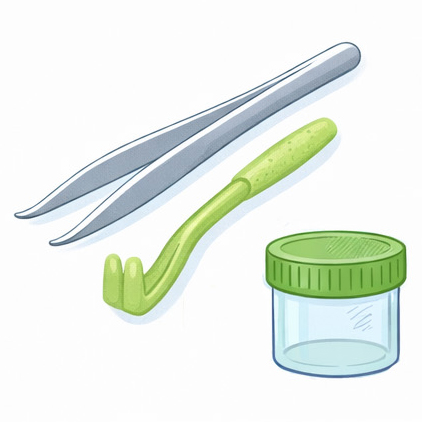
Find a pair of fine-tipped tweezers or tick removers and an airtight container in which you can keep the tick.

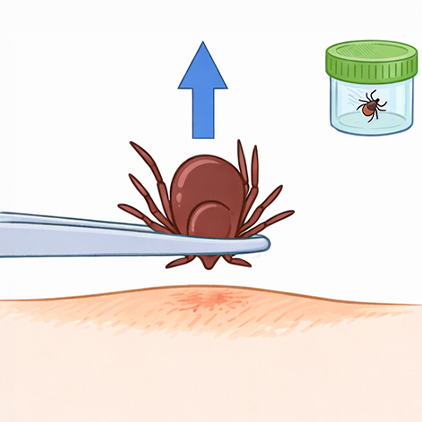
2. Grasp the tick correctly

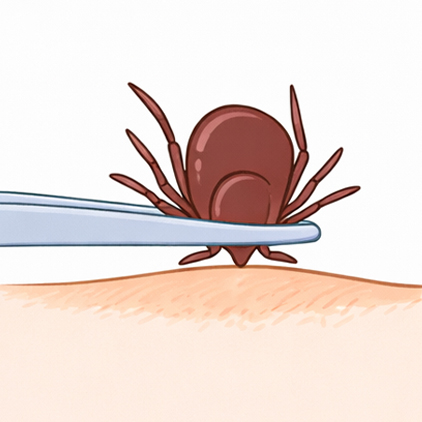
Using the tweezers, grasp the tick as close to the skin as possible. The aim is to grab the head of the tick, and to avoid putting pressure on the body.

3. Remove the tick gently

Slowly pull straight out, without twisting the tick, using firm but slow traction. Place the tick into a sealable container. 

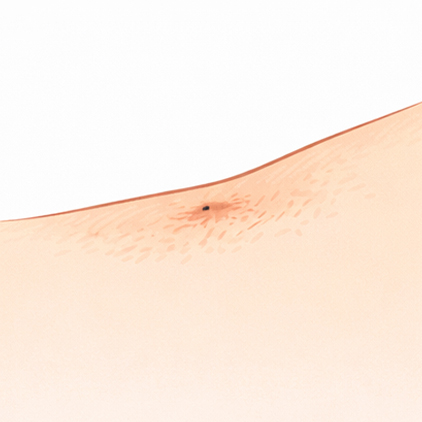
4. Check the site of the bite

If some parts of the tick break off and remain in the skin – don’t panic. Try to remove them with tweezers, but if this is not possible, leave the area to heal itself.

What to do after I have removed a tick? 

A few simple steps can be used to clean up properly, maintain useful information, and monitor the onset of symptoms in the following days.

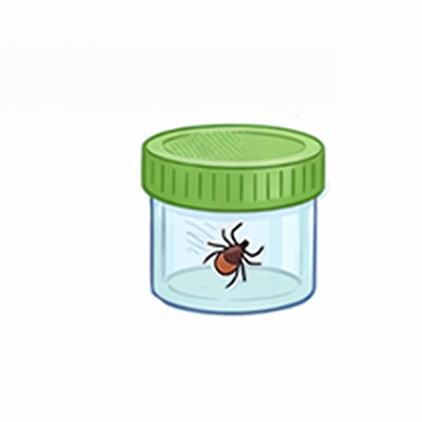
5. Preserve the tick

Place the tick in an airtight container.

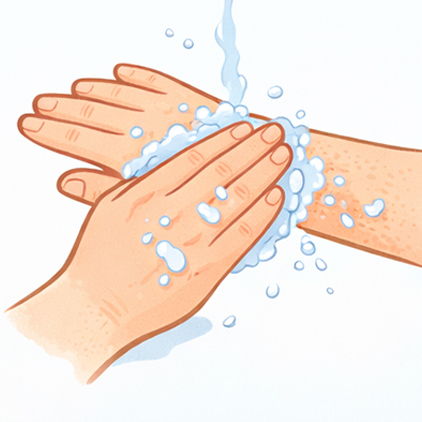
6. Clean the area

Wash your hands and the bite area with soap and water or an alcohol-based sanitizer.

7. Check your body

Don’t forget to complete your tick check in case there are more ticks.

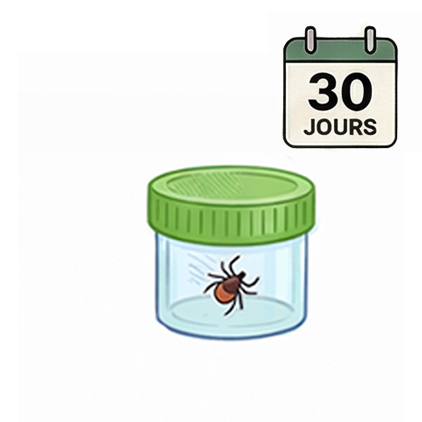
8. Keep the tick for follow-up

Keep the tick in a sealed container or bag for at least 30 days. You can kill the tick by freezing it for several days, or by putting it in rubbing alcohol. Avoid crushing the tick with exposed fingers.

9. Note important information

Note the date, time, and place where the tick was attached. Estimate how long the tick was attached for. Indicate where you were when the bite occurred,

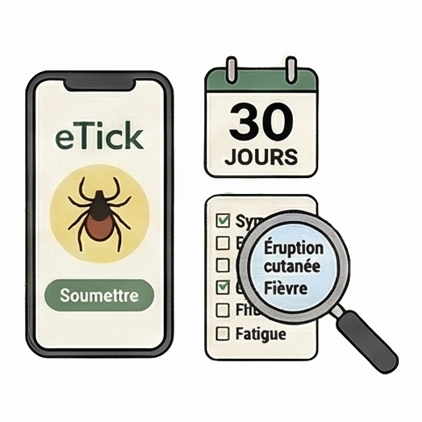
10. Identify the tick and monitor the symptoms

Have your tick identified on eTick (see additional resources).

Monitor for symptoms of Lyme disease or other symptoms

Resources

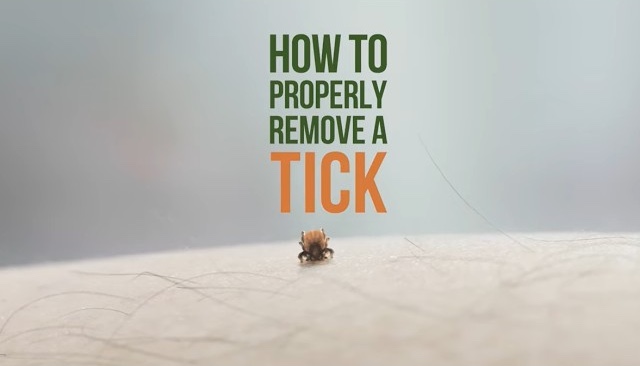
Cette vidéo de 2 minutes montre comment retirer une tique et ce qu’il ne faut pas faire.

Visionner la video

Is there a preventative treatment for Lyme disease?

You may be eligible to receive preventative treatment following a tick bite depending on where you live, the duration of attachment and how recently the tick has been removed. If possible, bring the tick in a sealed container during your consultation.

See tips for my province

Have the tick identified


Have the tick identified with eTick. You'll know what species it is, if it can transmit disease, and get advice on next steps. This identification also contributes to the monitoring of tick populations in Canada.

Identifying a tick with eTick

When to seek the advice of a health professional?

Consult if you have symptoms of Lyme disease or if you feel unwell within 30 days of a tick bite. Watch for any unusual signs and seek advice if in doubt.

For more information